
News
Best Before Doesn't Mean Bin It
What the two dates on an Australian food label actually mean
04 September 2026
Two dates that do completely different jobs
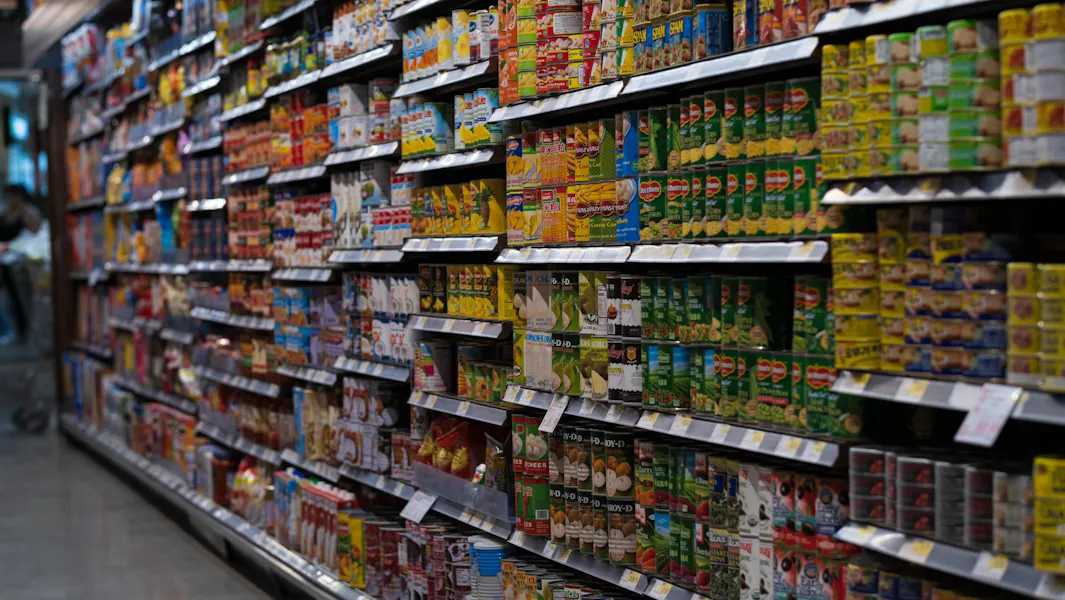
Most kitchens hold both kinds at once. A tub of yoghurt carries one. A tin of chickpeas carries the other. They sit in the same spot on the label, they are printed in the same small type, and they mean genuinely different things.
One is about safety. The other is about quality. Getting them the wrong way round is how good food ends up in the bin, and occasionally how risky food ends up on a plate.
The rules come from Food Standards Australia New Zealand, and they are more clear cut than most people expect.
Best before is a quality date, and the law says so plainly
A best-before date marks the point after which food may start to lose quality. It might be less crisp, less bright, a little stale. It does not mark the point at which the food becomes unsafe.
Food carrying a best-before date can legally be sold after that date, provided it is still fit for human consumption. That is not a loophole or a grey area. It is the rule as written, and it is why you sometimes see marked-down tins and packets sitting past their date quite legitimately.
Foodbank Australia makes the same point for the home: best-before food remains legal to sell and safe to eat until it is genuinely no longer fit, which for a well stored packet can be a long time.
There is a related rule worth knowing. Food with a shelf life of two years or more does not need a date mark at all. If a product carries no date, that is not an oversight.
Use by is the one to take seriously
A use-by date is a safety deadline. Food should not be eaten after it, and it cannot legally be sold after it, because it may pose a health or safety risk.
These dates go on the things that spoil in ways you cannot always see or smell: meat, dairy, cooked meals and other highly perishable foods. The absence of an obvious problem is not evidence that the food is fine.
So the practical rule is short. Read which of the two phrases is actually printed. If it says use by, the date is the end of the matter. If it says best before, the date is advice about quality.
Bread gets its own rule
Bread is the one food allowed a different kind of date entirely. If a loaf has a shelf life of under seven days, it can be labelled with a baked-on or a baked-for date instead of a best-before.
The two are defined precisely. A baked-on date is the day the bread was baked. A baked-for date is the same day if the bread came out of the oven before midday, or the following day if it came out after.
This matters because those dates are not deadlines at all. A loaf marked with yesterday's baked-on date has not passed anything. It is a record of when it was made, which is a different kind of statement from a use-by date, even though it occupies the same place on the packaging.
The confusion is widespread, and it runs both ways
This is not a niche misunderstanding. The 2023 Consumer Insights Tracker found that up to a third of Australian and New Zealand consumers are unclear about what date marks mean.
The regulator's own concern points at the safety side of that confusion, because someone who treats a use-by date as a suggestion can make themselves ill. The waste side is the mirror image of the same problem. Someone who treats a best-before date as a deadline throws out food that was never unsafe, and does it on a schedule, week after week.
Both errors come from the same place, which is not reading which of the two phrases is on the label.
What this means for a bag of surplus food
A shop selling surplus at the end of the day is bound by exactly the same law as it was at nine that morning. Nothing past its use-by date can be sold, by anyone, at any price. A discount does not change that, and neither does the fact that the food would otherwise be thrown out.
This is worth saying because surplus and expired are easy to confuse, and they are not the same thing. Surplus food is food that did not sell in time, not food that has passed a date. The clock that matters is the shop's closing time, not the label.
Foody Bag works within that ordinary rule. A shop lists what it expects to have spare, someone buys a bag through the app and collects it during a set window, usually for a third to a half of what the same food cost earlier that day. The saving comes from the timing, not from the age of the food.
If you take one habit from all of this, make it the smallest one. Before deciding whether something is finished, read which of the two phrases is printed next to the date.



Foody Bag's mission is to reduce food waste.
Made in Australia with love
Copyright 2026 - All rights reserved