
News
Surplus Food Apps in Australia: What Each One Actually Does
Surprise bags, free sharing, wholesale pallets and food relief are four different things, and the lists online keep mixing them up
21 October 2026

They're not all doing the same thing
Search for a food waste app in Australia and you'll be handed a list that mixes up at least four different kinds of business. Some sell you surplus at a discount. One gives food away. One sells pallets to caterers. Some are charities feeding people who can't afford groceries.
Lumping them together is how people end up downloading the wrong thing. Here's what actually exists here and what each one is for.
Surprise bag marketplaces, the ones most people mean
You pay a few dollars for a bag of food a shop didn't sell that day, and you collect it before closing. You don't choose the contents. Two have enough stores trading in Australia to be worth your time.
Too Good To Go is the biggest, here and worldwide. It's a Danish company, founded in Copenhagen in 2015, and it arrived in Australia in 2024, starting on the east coast. Bags typically run from about $7 to $15. In a large east coast city it will usually show the most options.
Foody Bag is the biggest Australian-owned one, trading since June 2021. As at 16 October 2026 it had 191 stores that have sold a bag, across five states, with by far the deepest coverage in Perth and Western Australia.
A few smaller apps come and go in this space. The test below applies to all of them: open the app, look at your own suburb, and see whether there's anything to collect.
Free sharing, which is a different thing entirely
OLIO isn't a shop. People list food they don't want, neighbours collect it, and nothing is paid. Volunteers also collect unsold food from local businesses and list it the same way. It's global, it's free, and it runs in a lot of Australian suburbs.
Worth having alongside a paid app rather than instead of one. Supply is unpredictable, because it depends on who in your street had too many lemons this week.
Wholesale surplus, for businesses rather than households
Yume is an Australian marketplace where food manufacturers and distributors sell surplus stock to commercial buyers: caterers, hotel groups, wholesalers. We're talking pallets, not pastries.
No use if you're after dinner, but it moves surplus at a scale consumer apps never will, and it says something that Australia has a home-grown one.
Food rescue charities, which are not apps at all
OzHarvest, SecondBite and Foodbank come up in these lists constantly, and they belong in a category of their own. They collect surplus food from businesses and move it to people who are going without, free.
They're not an alternative to a surplus app and the two don't compete. A marketplace sells food that would be binned to someone who'll pay a few dollars for it. A rescue charity gets food to someone who can't pay at all. Both need to exist.
Which one you actually want
A rough guide:
- Cheap food near you tonight: a surprise bag app. Pick whichever has the most stores in your suburb, which varies a lot by city.
- In Perth or regional WA: Foody Bag will almost certainly have the most nearby.
- In Melbourne or Sydney: Too Good To Go currently lists the most.
- Free food, or spare food to give away: OLIO.
- Running a food business and buying in bulk: Yume.
- Needing food relief: contact a rescue charity directly rather than an app.
Nothing stops you having more than one installed. Most people who use these regularly do, because what's available changes by suburb and by day.
One thing worth checking before you judge an app
Coverage claims and reality often differ. An app can list a city without having many shops trading in it, and a map covered in pins tells you less than whether there's a bag you can collect this evening.
So open it, look at your own suburb, and see what's actually there at four o'clock on a weekday. That's the only test that matters, and it takes a minute.

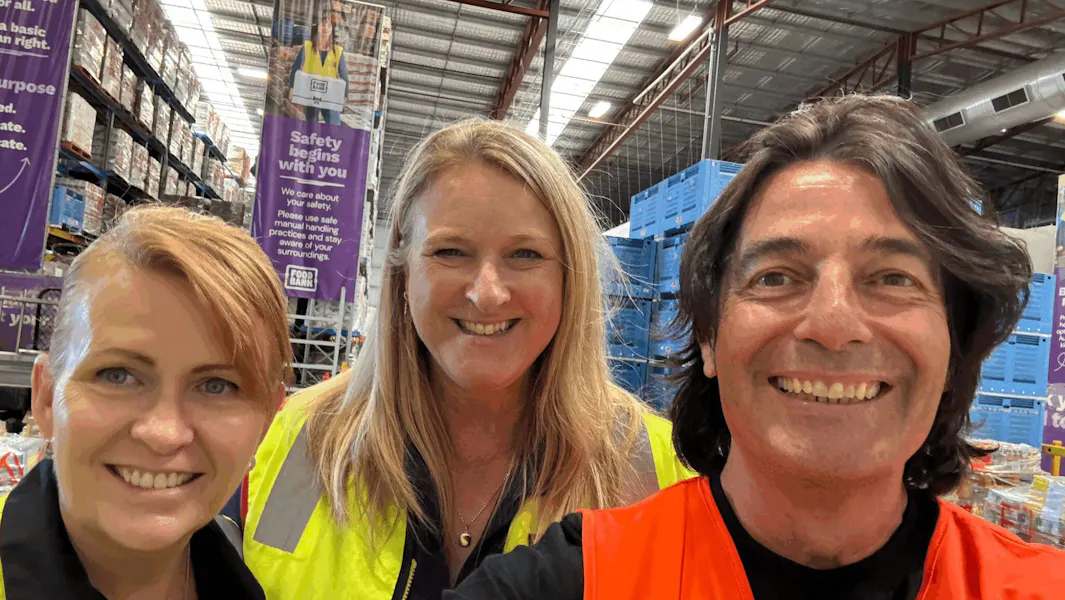


Foody Bag's mission is to reduce food waste.
Made in Australia with love
Copyright 2026 - All rights reserved